


First-time landlord? Best questions to ask your estate agent
Becoming a landlord for the first time can feel like stepping into a world with its own language: yields, voids, EPCs, deposit schemes. It can be overwhelming. But most of it comes down to asking the right questions early, before you commit your money, your time, or your weekends to a property that does not stack up.
Whether you are buying a property specifically to let or you have found yourself as an accidental landlord after inheriting a home or moving in with a partner, here is what to ask and what to know.
Is buy-to-let right for me?
Before anything else, be honest about what you are getting into. Buy- to- let is not passive income. It is a business, and it comes with costs, obligations, and the occasional 11pm phone call about a boiler. If you are comfortable with that, the returns can be worthwhile. But the upfront costs are higher than many first-time landlords expect.
If you already own a home and are buying a second property to let, you will pay a stamp duty surcharge on top of the standard rates. Add a buy-to-let mortgage arrangement fee, legal costs, and any refurbishment the property needs before it is ready for tenants, and the initial outlay can be significant. Get a clear picture of your numbers before you make an offer, not after.
What should I ask my estate agent about the property?
Your estate agent should be able to answer all of the following, and if they cannot, that tells you something too.
Is it freehold or leasehold? If leasehold, ask about the remaining term, the annual service charge, and whether there is a sinking fund for major works. These costs eat directly into your return, and a short lease can make the property harder to mortgage or sell later.
Has it been rented before? A property with a rental history gives you real information: what rent it achieved, how long tenants stayed, and whether there were gaps between tenancies. If it has never been let, ask how the agent has arrived at their rental estimate and what comparable properties nearby are achieving.
What condition is it in? Ask about the age of the boiler, the roof, the windows, and the electrics. A cheaper purchase price can quickly become an expensive one if you need to replace a heating system or rewire before you can let. Your agent should be able to flag anything obvious, but always get a survey.
How much rent can I charge?
Ask your estate agent for a rental valuation and, just as importantly, ask what it is based on. A good agent will show you comparable lets in the area, current demand levels, and how quickly similar properties are being let. Do not rely on national averages. Rents vary street by street, and the difference between a furnished and unfurnished let, or a property with parking versus one without, can be significant.
Once you have a figure, run the numbers. Deduct your mortgage payments, insurance, letting agent fees, a maintenance allowance, and any service charges. What is left is your actual return, and that is the number that matters.
Should I use a letting agent or manage the property myself?
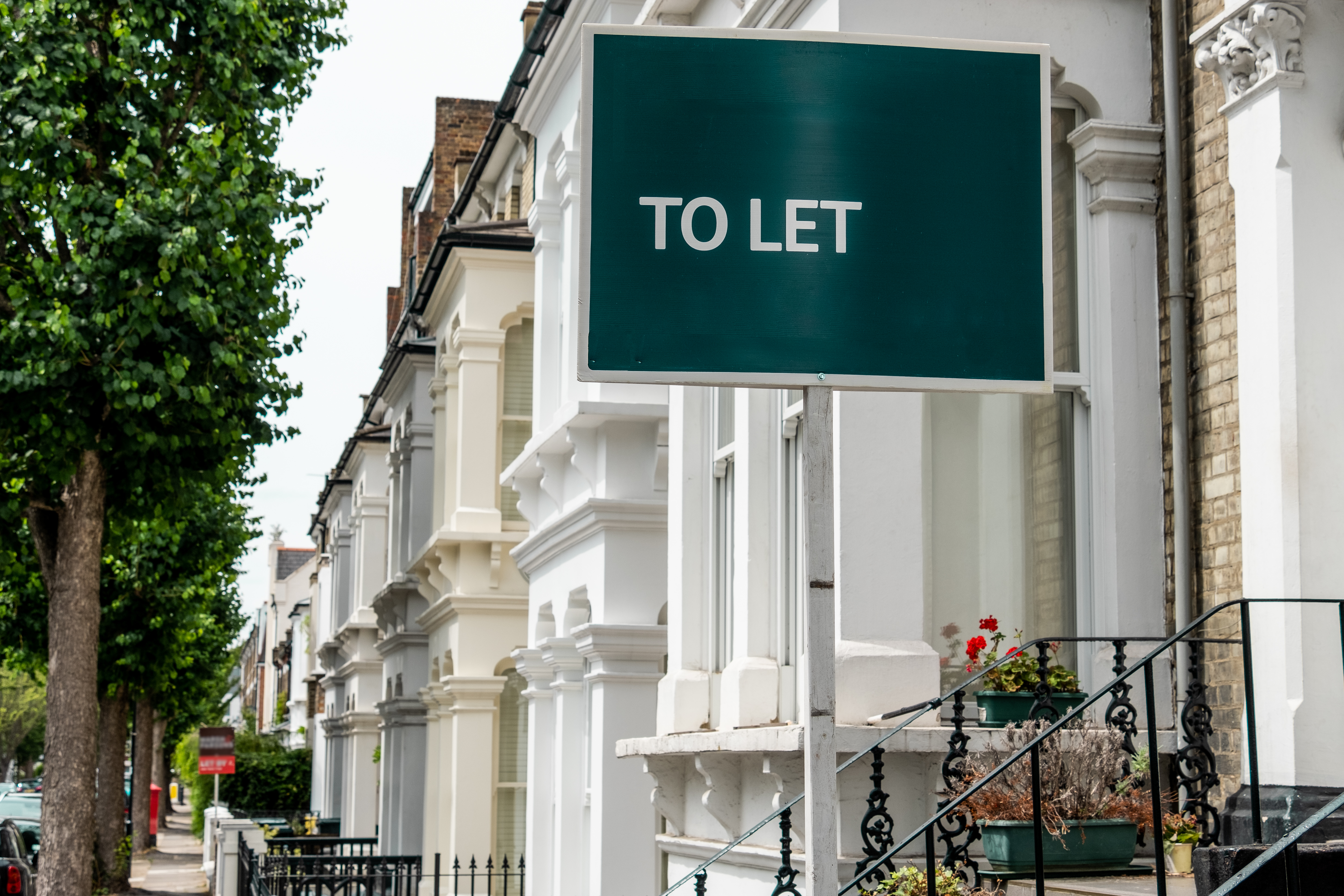
This is one of the biggest decisions you will make, and it depends on how much time you have, how close you live to the property, and how confident you are handling tenant queries, maintenance, and the paperwork yourself.
A fully managed service means the agent handles tenant finding, referencing, rent collection, inspections, and maintenance. A tenant-find-only service is cheaper but leaves the ongoing management to you. Both have their place, and it depends on the kind of landlord you want to be.
If you go with an agent, ask how they handle emergencies, how quickly they respond to maintenance requests, and how they report back to you. Ask how many properties they manage and how many staff handle the workload. A stretched agent is a slow agent, and slow responses are the number one reason landlords switch.
What safety checks do I need?
You will need a few things in place before a tenant moves in, and none of them are optional. A gas safety certificate, renewed every year. An electrical installation condition report. An energy performance certificate. Smoke alarms on every floor and carbon monoxide alarms where they are needed.
Your letting agent should be able to arrange all of this for you, but check what is included in their fee and what is charged as an extra. Ask upfront so there are no surprises.
How will I find and reference tenants?
If you are using a letting agent, they will market the property, conduct viewings, and handle referencing. Ask how they advertise, which portals they list on, and how they screen applicants.
Referencing is one of the most important things you can do as a landlord. A proper check covers credit history, proof of income, employer references, identity verification, and a previous landlord reference. Skipping this step to fill a gap between tenancies quickly is one of the most expensive mistakes a new landlord can make. The wrong tenant costs far more than an empty month.
If you are self-managing, you can use a standalone referencing service. They are straightforward and not expensive.
What insurance do I need as a landlord?

Your standard home insurance will not cover a rental property. At a minimum, you need landlord buildings insurance. Beyond that, consider landlord contents insurance if the property is furnished, rent guarantee insurance in case a tenant stops paying, and landlord liability insurance to protect you if someone is injured at the property.
Shop around and read the policy details. The cheapest quote is not always the best cover, particularly on rent guarantee policies where the excess and claim conditions vary widely.
How does deposit protection work?
You must protect your tenant's deposit in one of the government-backed schemes and provide the tenant with written confirmation of where it is held. This is not optional, and getting it wrong can be costly. Your deposit is capped at a set number of weeks' rent, and a holding deposit to reserve a property is capped at one week's rent. Your letting agent or solicitor can walk you through the process, and most agents handle it as part of their service.
What about tax on rental income?
Rental income is taxable. You will need to register for Self Assessment with HMRC if you have not already, and you can deduct allowable expenses including mortgage interest, repairs, insurance premiums, letting agent fees, and accountancy costs.
The way you report rental income to HMRC is also changing. Depending on how much you earn, you may need to submit digital updates throughout the year rather than filing one annual return. The thresholds are being phased in gradually, so speak to an accountant who understands rental income. The tax rules are not complicated, but getting them wrong is expensive.
What is the energy rating and why does it matter?
Every rental property needs a valid energy performance certificate, and the rating matters more than you might think. A well-insulated property with a strong energy rating lets faster and keeps tenants longer than a draughty one with high heating bills. Tenants notice this, especially in winter.
If you are buying a property to let and the energy rating is low, factor the cost of upgrading insulation, windows, or the heating system into your purchase budget. The minimum standard for rental properties is expected to rise in the coming years, so investing in energy efficiency now saves you from being forced to do it later.
FAQ: quick answers for first-time landlords
Can tenants keep pets in my rental property?
Blanket "no pets" policies are largely a thing of the past. Tenants can now request a pet, and landlords cannot unreasonably refuse. You can ask them to take out pet damage insurance.
What is a void period?
A void period is any time the property sits empty between tenancies. You still pay the mortgage, insurance, and council tax during a void. Budget for at least one empty month a year as a contingency.
What is rental yield?
Gross yield is your annual rent divided by the property's purchase price, expressed as a percentage. Your agent can help you calculate this, and it is one of the first numbers you should look at when assessing whether a property stacks up as an investment.
Do I need permission from my mortgage lender?
Yes. If you have a residential mortgage, you must get consent to let before renting the property out. A buy-to-let mortgage is designed for this purpose. Letting without consent can breach your mortgage terms.
What happens if my tenant stops paying rent?
Contact them first. If the issue is not resolved, your letting agent or a solicitor can advise on the formal process. Rent guarantee insurance can cover lost income while the situation is being dealt with.
Am I an accidental landlord?
If you did not set out to become a landlord but ended up with a property you can let, whether through inheritance, a relationship change, or difficulty selling, you are an accidental landlord. The same responsibilities apply, so treat it as seriously as someone who chose to invest.
Contact us
Thinking about letting a property for the first time? Get in touch with your local Guild Member for professional advice on the rental market in your area.

The Guild is a UK-wide network of hand-selected independent estate agents across the UK. Whether you are buying, selling, letting, or renting, explore where our Members are.